Cash after the rent money vanished. Excuses to a boss. Another bill paid with no end date. Those patterns often mean a family member has absorbed duties that belong to the person with a substance use disorder. If you are asking am I enabling a loved one with addiction, check who carries the cost and whether your actions protect safety or make continued use easier.
What does enabling mean in a family?
Enabling is a repeated action that removes responsibility from a person with a substance use disorder or shields that person from avoidable results of their choices. Common forms include handing over cash, covering for them with an employer, paying the same debts again, or hiding substance use from other relatives.
A single act rarely settles the question. Paying for food or a ride can support recovery when the help has a clear purpose and a hard stop. Replacing money that was spent on substances again and again can keep the same cycle in place. Your intention matters. The outcome still gives you better data.
The Family Recovery Foundation teaches this distinction in its 12-module Intensive Family Program. Module 4 covers manipulation and enabling. Later modules address hard conversations, boundaries, and connective boundary language. The National Institute on Drug Abuse’s treatment and recovery overview adds context on substance use disorder treatment.
Helpful support keeps responsibility with your loved one. Enabling quietly transfers that responsibility to you.
Intent does not decide the outcome.
Am I enabling a loved one with addiction?
Mark each statement that matches a repeated pattern in your home. Score what you actually do, not what you meant to do or hoped would happen.
- I give money after my loved one has spent rent, food, or bill money on substances.
- I repeatedly pay debts, fines, or overdue bills without a written limit or repayment plan.
- I lie to employers, schools, treatment providers, or relatives to hide what happened.
- I make excuses for missed work, broken commitments, or harmful behavior.
- I complete calls, forms, appointments, or household tasks my loved one can safely handle.
- I say I’ll set a boundary, then change it after pressure, anger, or pleading.
- I allow substance use in my home after saying that I won’t.
- I protect my loved one from work, legal, financial, or relationship consequences.
- I keep substance use secret even when a counselor or medical provider needs accurate information for safety.
- I take responsibility for finding treatment while my loved one refuses any role in the process.
- I ignore the effect of substance use on children or other people in the home.
- I keep rescuing because I’m afraid of what may happen if I stop.
- My help makes continued substance use easier than accepting recovery support.
This checklist is a conversation tool. It is not a diagnosis or a score. One marked item can still deserve attention if it involves danger, children, major debt, or a boundary you have walked back many times. Repeated patterns call for a closer look with a therapist, counselor, or family coach.
Emergency care, food, medication, and the safety of dependents come first. Never create danger to force a consequence. You can bring your marked checklist to a free 1-on-1 family coaching appointment through The Family Recovery Foundation and pick one pattern to change.
How can I test a decision before I help?
Run six questions before you hand over money, place a call, change a household rule, or solve a problem for your loved one. A short pause shows who owns the task and what your help is likely to reinforce.
| Ask before acting | Helpful support may look like | Warning sign |
|---|---|---|
| Who owns this task? | You support a step your loved one chose and can explain. | You take over a task they can safely complete. |
| Where will the money go? | You pay an agreed provider or necessary bill directly. | You give unrestricted cash after earlier money was spent on substances. |
| Is the limit clear? | You state the amount, purpose, and end date in advance. | The limit changes after pressure or conflict. |
| Does this support recovery? | You offer transportation to therapy, treatment, or a support meeting. | You hide missed work or broken agreements caused by substance use. |
| Can I discuss this openly? | You review the plan with a counselor or support group. | You hide the decision because others may question it. |
| Is anyone in immediate danger? | You contact emergency or crisis services. | You delay urgent care because you want consequences to occur. |
Write your answer down before you act if the same situation keeps returning. The Family Recovery Foundation offers a downloadable Family Support Plan and Relapse Prevention Plan that help families assign responsibilities and record the response they have already agreed to use.
Pause before you pay.
How do I stop enabling without cutting off love?
Change one repeated response first. Trying to rewrite every family rule at once makes follow-through harder, especially when fear, money, housing, and strained relationships already fill the room.
- 1Name the behavior. Skip labels. Describe what happened and how it affected the household.
- 2State what you will do. A boundary names your response. It does not try to control another person.
- 3Offer one recovery-directed option. That might be a ride to treatment, help placing a call, or direct payment to an approved provider.
- 4Set the limit in writing. Include the amount, action, or time period so everyone can point to the same agreement.
- 5Follow through calmly. Repeated exceptions teach the family that pressure rewrites the boundary.
- 6Review the plan with a therapist, counselor, or family support group before the next conflict.
Short scripts help. You might say, “I love you. I won’t give cash, but I can pay the pharmacy directly up to the amount we agreed.” Or, “I won’t call your employer. I can sit with you while you make the call.” Keep the words brief.
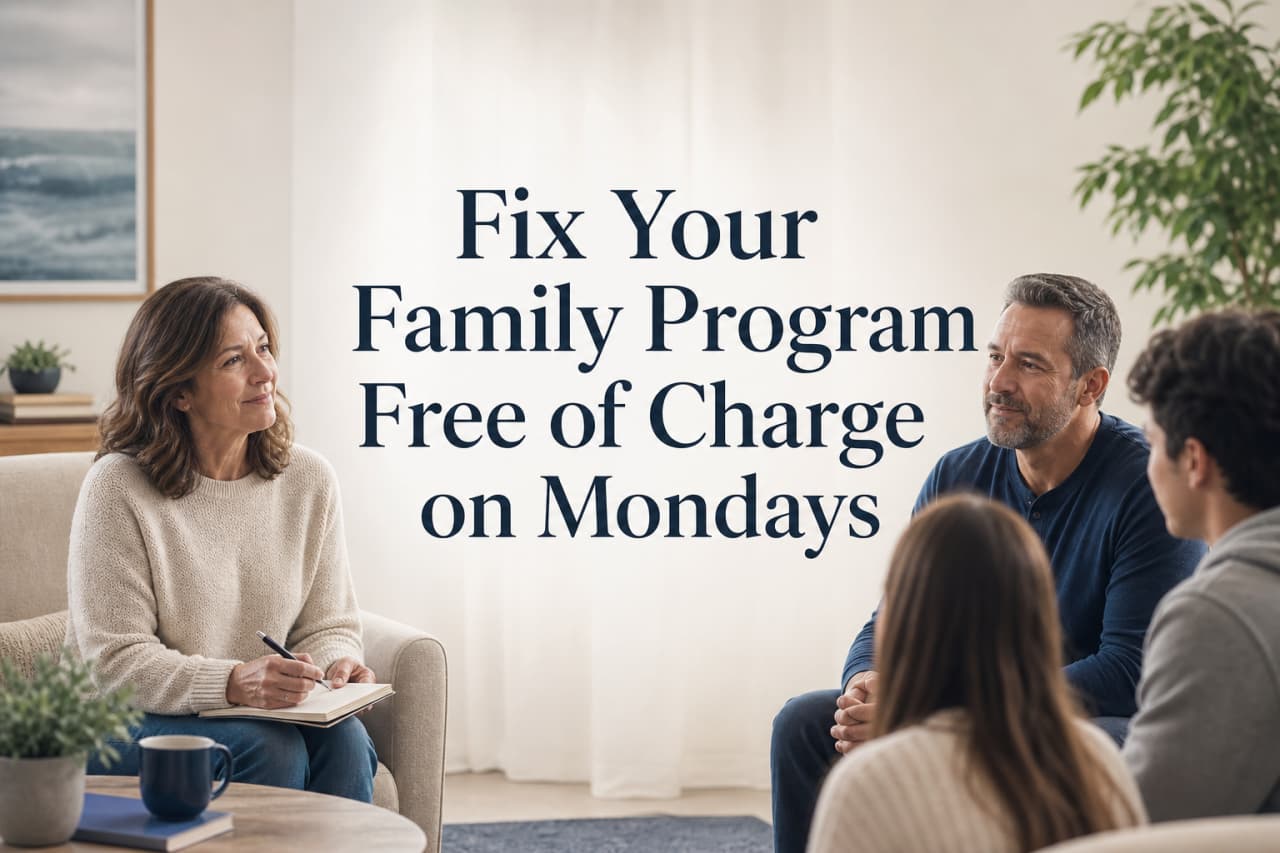
The Courage to Detach workshop focuses on loving without enabling, setting boundaries with care, and protecting your own wellbeing. It meets online on the last Wednesday of each month at 5:00 PM CT and 3:00 PM PT. Fix Your Family meets every Monday at 7:00 PM CT and 5:00 PM PT and covers communication, boundary-setting, and conflict resolution.
Hold the line kindly.
What should I do about money, housing, and emergencies?
Put money limits in writing and use direct payments when financial help has a defined purpose. Pay a treatment provider, pharmacy, landlord, or transportation company yourself rather than handing over unrestricted cash. Record the amount and the end date.
Housing calls for extra care. Weigh children, tenancy rules, domestic violence, medical risk, and safe alternatives before you change access to a home. A counselor can help you build a safety plan. A local attorney can explain legal duties that vary by place.


The Family Recovery Foundation offers application-based financial aid for residential, outpatient, and detox programs, plus funding guidance for professional intervention services. Our work is family support and financial aid. Licensed treatment providers deliver detox, residential care, and outpatient services. SAMHSA’s guidance for helping someone can help you prepare a conversation about treatment.
Call 911 for an overdose, trouble breathing, violence, or another immediate threat to life or safety. Call or text 988 for mental health, suicide, or substance use crisis support. The [SAMHSA 988 page](https://www.samhsa.gov/find-help/988) explains what happens when you contact the service.
The Family Recovery Foundation provides ongoing family therapy, groups, coaching, and education. Emergency services handle immediate danger.
Which free workshop should I choose?
Start with Fix Your Family if enabling has become part of repeated conflict at home. Add The Courage to Detach when you need focused practice on limits, guilt, and staying connected without taking over.
| What you need | Program | Schedule |
|---|---|---|
| Communication and boundary practice | Fix Your Family | Mondays at 7:00 PM CT and 5:00 PM PT |
| A focused workshop on detachment and enabling | The Courage to Detach | Last Wednesday of each month at 5:00 PM CT and 3:00 PM PT |
| Open discussion with other family members | The Family Room | Fridays at 10:00 AM CT and 8:00 AM PT |
| A personal plan for your family situation | 1-on-1 Family Coaching | Available by appointment |
| A short daily practice for emotional regulation | Morning Meditation | Monday through Friday at 9:00 AM CT and 7:00 AM PT |
These live programs are free, virtual, and open nationwide. No insurance is required. Register through our free virtual family therapy hub or Family Programming page. Registered families also gain access to the private family messaging group, which connects them with our Clinical Director and trained peer support team around the clock. Emergency response still belongs to 911 and 988.
Frequently Asked Questions
You can bring these questions to a free online session or call The Family Recovery Foundation at 888-964-8825. A real person answers every day.
Is giving money always enabling?
No. Money can help when it has a clear recovery-related purpose, a firm limit, and a direct payment path. Repeated unrestricted cash after earlier money went to substances is a strong warning sign.
Is enabling the same as codependency?
The terms overlap, yet they name different parts of a family pattern. Enabling points to actions that protect someone from consequences. The Family Recovery Foundation’s Intensive Family Program covers codependency in Modules 3 through 5, with enabling addressed in Module 4.
What if my loved one refuses treatment?
Keep your boundaries clear and offer one concrete route to support. You can gather treatment information, offer a ride, or seek guidance about a professional intervention while leaving your loved one responsible for the choices they can safely make.
Should I stop all contact or financial help?
A blanket rule rarely fits every household. Choose direct, limited help that protects safety and supports recovery. Distance may be necessary when there are threats, violence, or harm to children, and a counselor can help you build a safety plan.
Do free family programs require insurance?
No insurance is required for The Family Recovery Foundation’s free virtual family therapy and online family support programs. Families can join from anywhere in the country.
Is The Family Recovery Foundation a treatment center or crisis line?
The Family Recovery Foundation is a 501(c)(3) nonprofit that provides free family therapy, coaching, support groups, education, and financial aid. Residential treatment centers, detox providers, 911, and 988 cover other levels of care.
What should I do during an immediate crisis?
Call 911 for an overdose, trouble breathing, violence, or immediate danger. Call or text 988 for mental health, suicide, or substance use crisis support.
Get free virtual family therapy
Register for free nationwide online family therapy and support programs. No insurance required.
Choose Get Help on The Family Recovery Foundation website or call 888-964-8825. A real person answers every day and can point you to a workshop, support group, or 1-on-1 family coaching appointment.
About the Author
The Family Recovery Foundation
Editorial TeamEducational and program resources from The Family Recovery Foundation (EIN 87-4108362) — free virtual family therapy and support for families impacted by addiction and mental health. Charity Navigator: charitynavigator.org/ein/874108362.